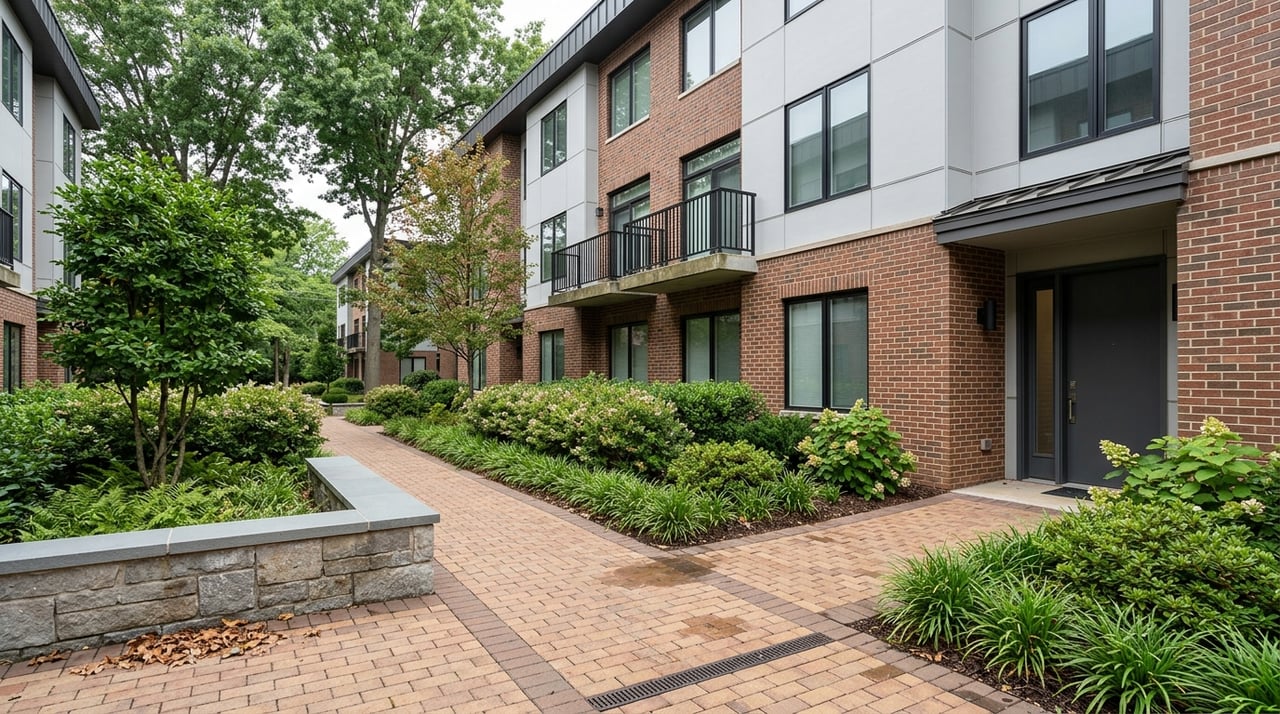
Curious what daily life in Reston actually feels like? If you are considering a move, you probably want more than a map and a list of homes. You want to know how the community is laid out, how easy it is to get around, and what kind of lifestyle it supports. That is exactly what this guide will help you understand. Let’s dive in.
Reston has a distinct identity
Reston is not just another Northern Virginia suburb. Fairfax County describes it as a community of about 6,700 acres in northwestern Fairfax County, roughly 20 miles west of Washington, D.C., 7 miles west of Tysons, and 6 miles east of Dulles. That location gives you a practical mix of regional access and everyday convenience.
What makes Reston stand out is the way it was planned. County materials describe Reston as a place with both urban and suburban sections, together known as One Reston, with transit-station areas forming the urban core. The county also points to two lasting hallmarks of the community: the integration of natural areas into daily life and a strong community spirit.
Reston Association adds more context. It describes Reston as one of the first planned communities in the country, built around open space, integration, and a live-work-play ideal. Today, it serves more than 60,000 people, which helps explain why Reston often feels like a connected network of neighborhoods rather than a single, uniform place.
Village centers shape everyday life
One of the easiest ways to understand Reston is to think of it as a series of neighborhood hubs. Fairfax County says the community was planned around village centers that serve as focal points for surrounding neighborhoods. Today, those centers include Lake Anne, Hunters Woods, South Lakes, and North Point.
These village centers are designed to mix nearby housing with local-serving retail, restaurants, professional offices, and public gathering spaces. In practical terms, that means your daily routine may revolve around a smaller neighborhood center rather than a major commercial strip. If you like the idea of having a local rhythm to your week, this part of Reston’s design matters.
Then there is Reston Town Center, which the county identifies as the larger regional-scale gathering place. It plays a different role from the village centers and feels more like the area’s bigger destination for dining, shopping, and activity. Depending on where you live, you may find yourself using both your nearest village center and Reston Town Center in different ways.
Outdoor access is part of the lifestyle
If green space matters to you, Reston offers a lot of it. Reston Association maintains more than 1,300 acres of open space and more than 55 miles of pathways and trails. That system includes forests, meadows, wetlands, streams, ponds, and lakes woven into the community.
The four man-made lakes, Lake Anne, Lake Thoreau, Lake Audubon, and Lake Newport, cover a combined 125 acres. They are used for boating, fishing, wildlife watching, and lakeside picnicking. They add a scenic quality to daily life that many buyers notice right away.
It is also important to know what the lakes are not. Swimming is prohibited in Reston’s lakes and ponds, so they function more as recreational and visual amenities than swim destinations. If you picture peaceful walks, paddling, or time by the water, that fits. If you want a swim beach experience, that is not the role these lakes play.
Trails, nature, and recreation are easy to find
Outdoor life in Reston goes beyond scenic views. The pathway and trail network makes it easier to move through the community on foot or by bike, especially for recreation and local trips. For many residents, that trail access becomes part of everyday life rather than something saved for weekends.
The Walker Nature Center adds another layer to the experience. It includes 72 acres of woodlands, a one-mile loop trail, and environmental education programming. If you enjoy having nature close to home, Reston offers that in a very tangible way.
Reston Association also offers 15 neighborhood pools along with tennis and pickleball courts through its recreation pass system. For members, those passes are included at no additional charge as part of the annual assessment. That amenity structure is a real part of the Reston lifestyle and something buyers should understand early in their search.
Housing options are broad
Reston appeals to a wide range of buyers because the housing stock is varied. Fairfax County’s planning documents emphasize housing variety for all ages and incomes, including multi-family housing near Metro, preservation of existing neighborhoods, single-family homes, townhouses, and multiple-family homes. That broad framework supports the mix you see on the ground today.
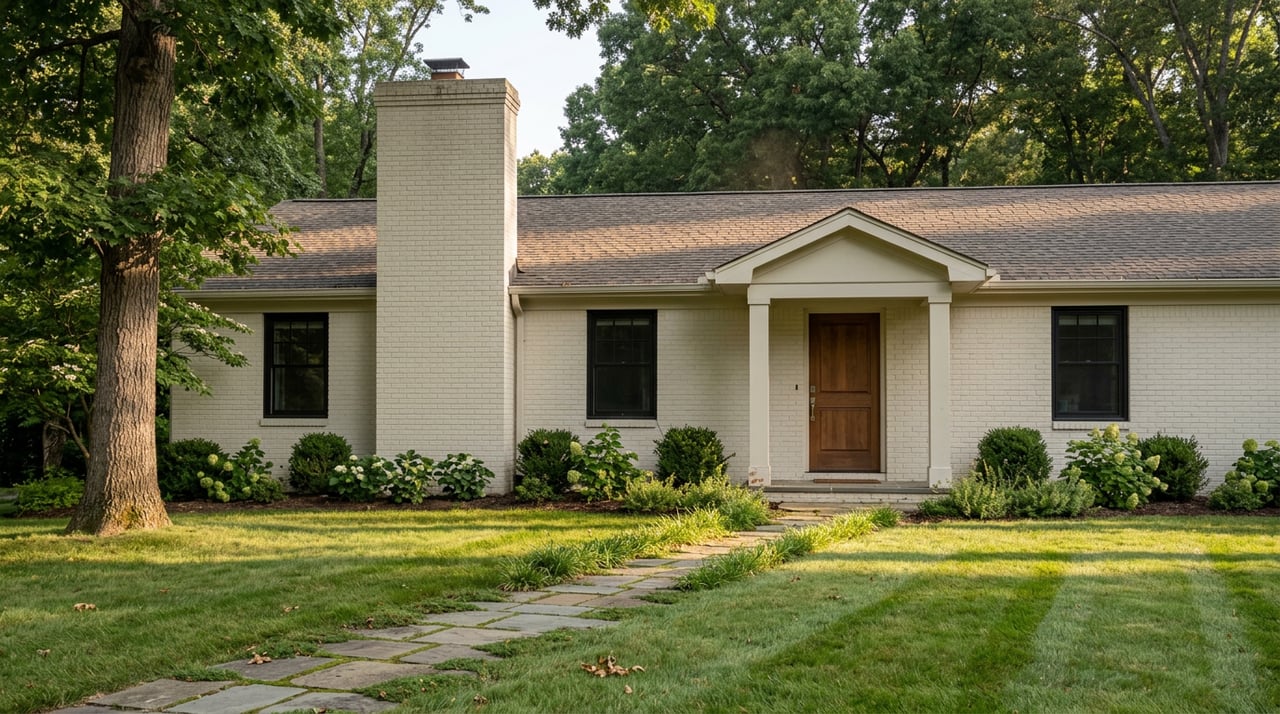
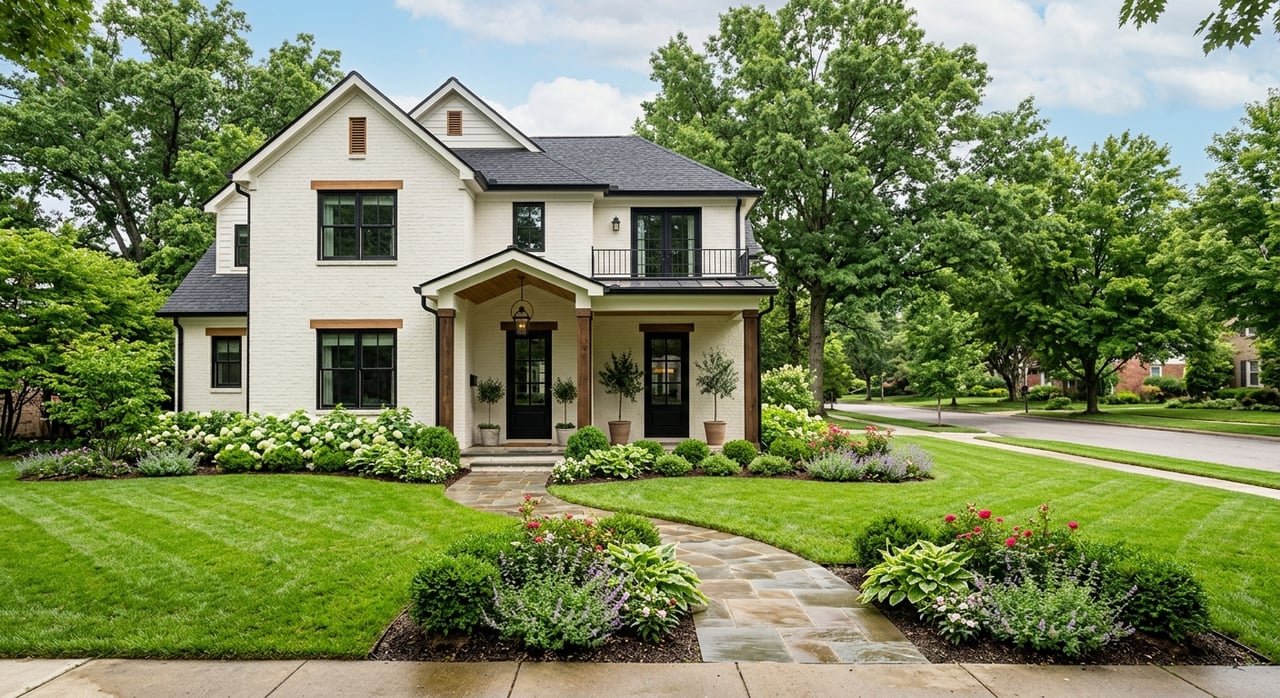
In real-life terms, you can find condos, townhomes, and detached homes in Reston. Some areas feel more urban and connected to transit, while others feel more traditionally suburban. That range gives you flexibility if you are a first-time buyer, relocating to Northern Virginia, moving up, or looking for a lower-maintenance option.
This is one reason Reston works for so many different lifestyles. You can prioritize proximity to Metro, access to trails, closeness to a village center, or a more residential feel depending on your goals. The key is knowing that one part of Reston can feel very different from another.
Transit is a major advantage
For many buyers, transit access is one of Reston’s biggest strengths. The community is served by three Metrorail Silver Line stations, which supports commuting and regional travel without relying on a single driving route. That can be a major quality-of-life benefit if you work in other parts of Northern Virginia or into Washington.
WMATA notes that Reston Town Center Station is within a short walk of dining, shopping, entertainment, YMCA Reston, the Washington and Old Dominion Trail, and residential options. Fairfax County is also continuing to improve pedestrian, bicycle, and vehicle access to the Silver Line stations. That ongoing focus reinforces how central transit is to Reston’s long-term layout.
At the same time, not every section of Reston feels equally walkable. Areas around Reston Town Center, Metro stations, and village centers tend to offer the strongest walkability, while outer residential sections feel more suburban. That difference is helpful to keep in mind when choosing where to focus your home search.
Reston is still evolving
One thing many buyers appreciate about Reston is that it is established without being static. Fairfax County’s planning work continues to shape growth around Metro and key mixed-use areas. That means some parts of Reston are likely to keep changing over time.
A good example is the Reston Town Center North project. Fairfax County describes it as a long-term mixed-use redevelopment that envisions housing, office and retail space, expanded public facilities, and a central green space near Reston Town Center. If you are buying in or near these areas, it helps to think not just about what is there now, but also about the direction of future development.
That does not mean all of Reston is in transition. Many neighborhoods are established and preserved within the broader planning framework. The bigger point is that Reston combines mature community structure with ongoing growth, especially around transit-oriented areas.
What buyers should know before moving
Reston offers a lot, but it is smart to understand the practical side before you buy. One of the biggest considerations is association structure. Reston Association says it administers architectural and maintenance covenants for properties within Reston’s master-planned area, so exterior changes and amenity use may be more structured than in a typical non-association suburb.
For some buyers, that added structure is a positive because it supports consistency and amenity access. For others, it is simply something to factor into their decision-making. Either way, it is worth reviewing how association membership, assessments, and recreation access apply to a specific property.
Another key takeaway is that lifestyle can vary a lot by location within Reston. A home near a village center or Metro may support a more walkable, connected routine. A home in an outer neighborhood may feel quieter and more suburban while still benefiting from trails, open space, and the broader Reston identity.
Is Reston a good fit for you?
Reston tends to appeal to buyers who want more than a house. It offers a community design that blends neighborhood hubs, regional access, nature, and a wide mix of housing types. That combination is not easy to find in one place.
If you want scenic open space, strong trail access, and practical transit connections, Reston checks a lot of boxes. If you also like the idea of living in a community with distinct centers and an established identity, it becomes even more compelling. The right fit often comes down to choosing the part of Reston that best matches how you want to live day to day.
If you are thinking about buying or selling in Reston or anywhere in Northern Virginia, Leslie Hoban can help you compare neighborhoods, narrow your options, and move forward with a clear plan.
FAQs
What is Reston, Virginia known for?
- Reston is known for its planned community design, village centers, extensive open space, more than 55 miles of trails, four lakes, and a mix of urban and suburban living within Fairfax County.
What types of homes are available in Reston, Virginia?
- Reston offers a mix of condos, townhomes, and detached homes, with more multi-family housing near Metro and a range of housing styles across different parts of the community.
How walkable is Reston, Virginia?
- Walkability varies by area. Reston Town Center, village centers, and neighborhoods near Silver Line stations tend to be more walkable, while outer residential sections feel more suburban.
Can you swim in the lakes in Reston, Virginia?
- No. Reston’s lakes and ponds are used for boating, fishing, wildlife watching, and scenic recreation, but swimming is prohibited.
Does Reston, Virginia have Metro access?
- Yes. Reston is served by three Metrorail Silver Line stations, which is one of the community’s biggest advantages for commuting and regional access.
What should buyers know about Reston Association?
- Buyers should know that Reston Association manages amenities, recreation passes, and certain architectural and maintenance covenants within the master-planned area, so rules and access may be more structured than in some other communities.