Choosing a Vienna neighborhood can feel simple at first glance. The town is compact, easy to navigate, and full of familiar names. But once you start comparing blocks, you quickly see that Vienna changes fast from one pocket to the next. If you want the right fit for your lifestyle, commute, and home goals, it helps to look beyond the neighborhood name and focus on how you actually want to live. Let’s dive in.
Start With How You Live
The best Vienna neighborhood for you is usually the one that supports your daily routine. Before you focus on home style or finishes, think about the parts of life that matter most every week.
Ask yourself a few simple questions:
- Do you want easier access to Metro or bus routes?
- Do you want to walk to shops, dining, or town events?
- Do you want a larger yard or more privacy?
- Do you want quicker access to parks and trails?
- Do you prefer a lower-maintenance home near mixed-use areas?
Vienna is not a town where one answer fits everyone. The right choice often comes down to which tradeoffs feel worth it to you.
Vienna Neighborhoods Work Like Pockets
One of the most important things to know is that Vienna’s map labels are more informal than legal neighborhood boundaries. The town’s official maps are designed as navigation tools, so neighborhood comparisons are best understood as approximate pockets rather than rigid districts.
That matters because block-level differences can be significant. In the town’s planning framework, Maple Avenue, Church Street, the Mill/Dominion area, and Cedar Lane are treated as distinct commercial districts, which is a strong sign that Vienna changes character block by block.
If you are comparing two homes with the same neighborhood label, you may still see very different traffic patterns, lot sizes, walkability, and daily convenience. In Vienna, the finer details often matter more than the subdivision name.
Prioritize Commute Access First
For many buyers, commute access is the biggest factor that shapes the search. If that is true for you, start there before anything else.
Vienna Metro Area
The Vienna/Fairfax-GMU station is the Orange Line’s western terminus in Virginia, and it offers strong rail access plus a large park-and-ride with 5,169 parking spaces. Homes near the station often stand out for buyers who want the most direct Metro connection.
Transit access is not just about rail. The Fairfax Connector route network includes Vienna-area service such as Routes 461, 463, 467, 660, 663, and 698. Those routes connect key destinations including Tysons, Government Center, Dunn Loring, Centreville, and the Pentagon.
If a car-light commute is high on your list, station-area homes and bus-serving streets deserve a close look. In that case, the neighborhood is not just where you sleep. It is part of your transportation plan.
Eastern and Northeastern Pockets
Vienna buyers who want more transit flexibility also often pay attention to locations with easier access to the Silver Line corridor. The town’s long-range planning context reflects how the Silver Line improves access to Tysons, Reston, and Dulles International Airport through the broader area transportation network, as outlined in the Town of Vienna comprehensive plan.
If you travel often or commute toward Tysons and beyond, that broader access picture may shape which side of Vienna feels most practical.
Look Closely at Walkability
If you picture yourself grabbing coffee, heading to local events, or enjoying a more pedestrian-friendly setting, not every part of Vienna will feel the same.
Church Street and Town Center
Church Street is Vienna’s most small-scale, pedestrian-oriented commercial pocket. According to the town’s economic development planning document, the core spans about 1,400 linear feet, with relatively modest storefront sizes and frontages that support a more intimate street feel.
That helps explain why the Church Street and Town Green area is often the first place buyers look when walkability is a top goal. The Vienna Town Green also serves as a central gathering place and sits next to the W&OD Trail, which adds another layer of convenience and activity.
This part of town can be a strong fit if you want easier access to events, public spaces, and day-to-day errands without feeling far from the rest of Vienna.
Maple Avenue and Cedar Lane
Maple Avenue is Vienna’s main commercial artery and carries about 27,000 vehicles per day between Nutley Street and Follin Lane, based on the same town planning document. It also includes mixed-use residential components that have grown over time.
Cedar Lane SE works differently. It is another important shopping pocket, anchored by Cedar Park Shopping Center and oriented more toward daily convenience than destination retail.
If your version of convenience means quick access to services and shopping, these areas may be worth considering. If you want a quieter, more pedestrian-scaled setting, you may prefer pockets off the main corridors.
Compare Home Types and Lot Sizes
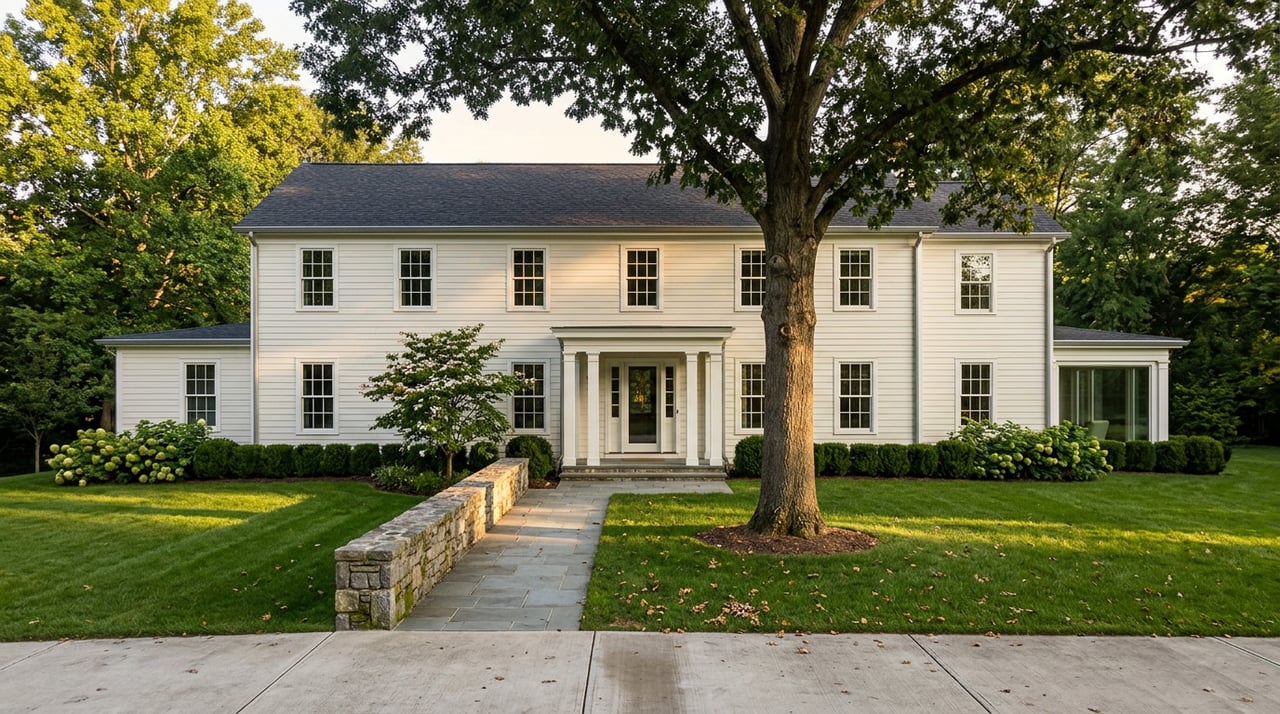
Vienna offers more variety than many buyers expect. Home style, density, and lot size can shift quickly depending on the age of the area and how close you are to the town core or Metro.
Near Metro and Mixed-Use Areas
The county’s Vienna Transit Station Area planning document states that the core should remain largely residential while including a mix of single-family attached and multifamily housing types. In practical terms, that helps explain why transit-adjacent Vienna feels denser and more mixed-use.
If you want a lower-maintenance home or a newer-feeling product near transit, this part of Vienna may line up well with your goals. It can also be a smart place to focus if you value convenience over yard size.
Older Detached-Home Areas
As you move farther from the station and major corridors, you often find more detached homes and more land. The research examples show how quickly lot size can change from townhome-sized lots near Metro to larger detached-home lots in other parts of town.
That does not mean every home in a given pocket looks the same. It means you should expect more variation than the map might suggest.
Windover Heights
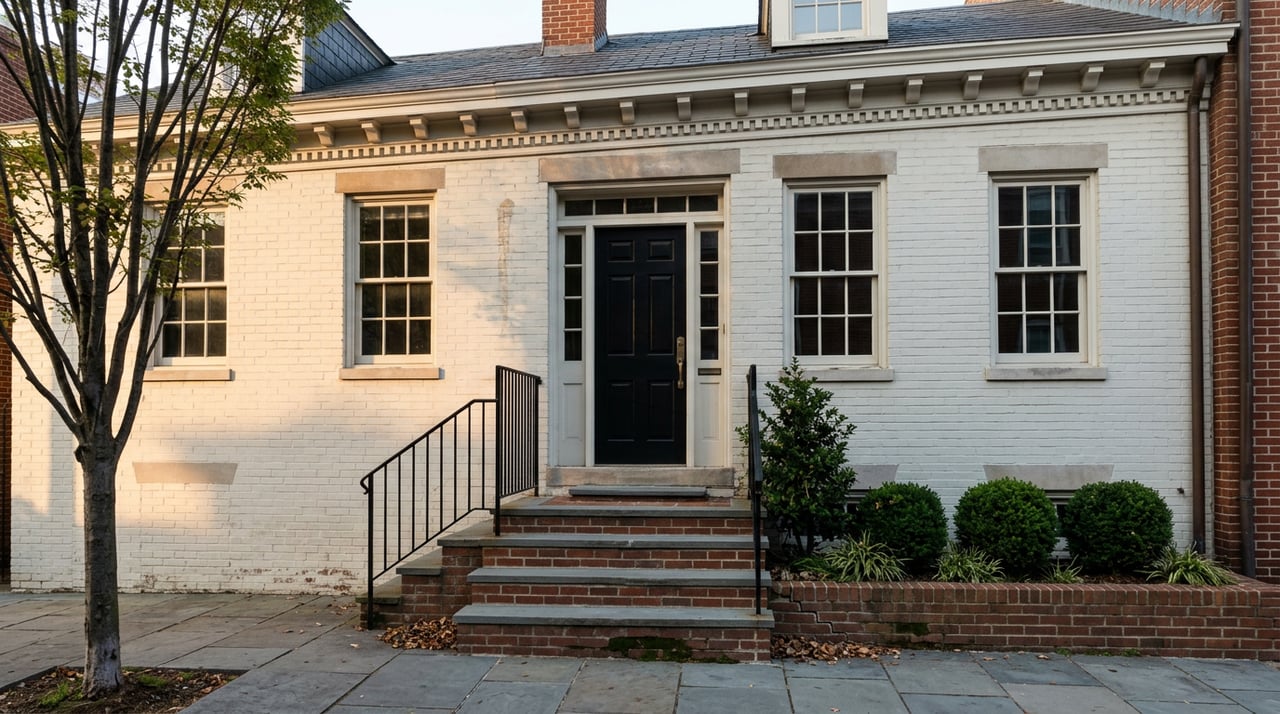
Windover Heights is officially described by the town as a single-family residential neighborhood in northwest Vienna with older homes, open spaces, meandering streets, and mature trees and shrubs. Exterior changes in the district are subject to review, which helps preserve its historic character.
If you are drawn to older homes, established landscaping, and a setting that feels distinct from the busier commercial corridors, Windover Heights is a pocket to study carefully. It is also a good reminder that Vienna includes both historic character and block-by-block variety.
Use Parks and Trails as a Decision Tool
For many buyers, the deciding factor is not just the house or the commute. It is how easy it feels to get outside, move around, and enjoy free time close to home.
W&OD Trail and Town Core
The Vienna Community Center sits in the heart of town next to the W&OD Trail, and the trail itself runs 45 miles from Shirlington to Purcellville. Vienna has both east and west access points, which makes the trail a meaningful everyday asset for walking, biking, and connecting across town.
If you want a neighborhood that supports an active daily routine, proximity to the W&OD corridor can be a major plus. It also adds value beyond recreation because it helps connect parks, public spaces, and downtown activity.
Northside, Southside, Wildwood, and Nottoway
Vienna has several notable park options, and each supports a slightly different day-to-day feel. Northside Park includes the Maud Robinson Wildlife Preserve and offers a 26-acre wooded setting with hiking paths. Southside Park includes ball fields, trails, a playground, and other multi-use amenities.
Wildwood Park adds a paved, mostly flat half-mile trail along Wolf Trap Stream, while Nottoway Park offers 84 acres with tennis, basketball, volleyball, a fitness trail, and a wooded nature path.
If parks matter to you, compare homes based on real access, not just the town map. A few minutes closer to your preferred park or trail can make a big difference in how a neighborhood feels after move-in.
A Simple Framework for Choosing
If you are narrowing down Vienna neighborhoods, this step-by-step approach can help:
- Commute first if Metro, bus access, or broader regional connectivity matters most.
- Walkability first if you want to be closer to Church Street, Town Green, or daily errands.
- Yard and privacy first if you prefer detached-home pockets farther from major corridors.
- Parks first if trail access, play space, or outdoor routines are a big part of your lifestyle.
- Maintenance first if you prefer transit-adjacent townhomes or mixed-use settings.
After that, do one final check at the block level. In Vienna, street traffic, parking, trail access, and exact lot shape can all shift quickly even within the same named area.
Why Local Guidance Matters in Vienna
Vienna is easy to love, but it is not a one-note market. The same town can offer a walkable center, transit-oriented pockets, older detached-home areas, and park-focused streetscapes within a relatively short distance.
That is why a smart home search in Vienna is not just about finding inventory. It is about matching your priorities to the right pocket, then narrowing your decision street by street.
If you want help comparing Vienna neighborhoods in a way that fits your commute, lifestyle, and home goals, connect with Leslie Hoban for a white-glove consultation.
FAQs
Which Vienna area is most walkable for homebuyers?
- Church Street and the Town Green area are often the strongest options for walkability because they offer a more pedestrian-oriented setting and easy access to town amenities.
Which Vienna area is best for Metro commuting?
- Homes near the Vienna/Fairfax-GMU Metro station are usually the top choice for buyers who want the strongest Orange Line access and park-and-ride convenience.
Which Vienna neighborhoods tend to have larger yards?
- Older detached-home pockets farther from the Metro station and major commercial corridors, including areas like Windover Heights, often offer more land and more privacy.
Which Vienna areas are best for parks and trails?
- Buyers often focus on access to the W&OD Trail, Vienna Community Center, Northside Park, Southside Park, Wildwood Park, and Nottoway Park when outdoor space is a priority.
How should buyers compare Vienna neighborhoods?
- Start with your top priority, such as commute, walkability, yard size, or parks, then compare homes at the block level because traffic, lot size, and daily convenience can vary quickly within Vienna.