Thinking about a move to Alexandria, VA? What draws many people in is not just the history or the waterfront views. It is the way Alexandria blends charm, convenience, and daily livability in one compact city. If you are trying to picture what life here actually feels like, this guide will walk you through what locals love most and why Alexandria stands out in Northern Virginia. Let’s dive in.
Why Alexandria feels different
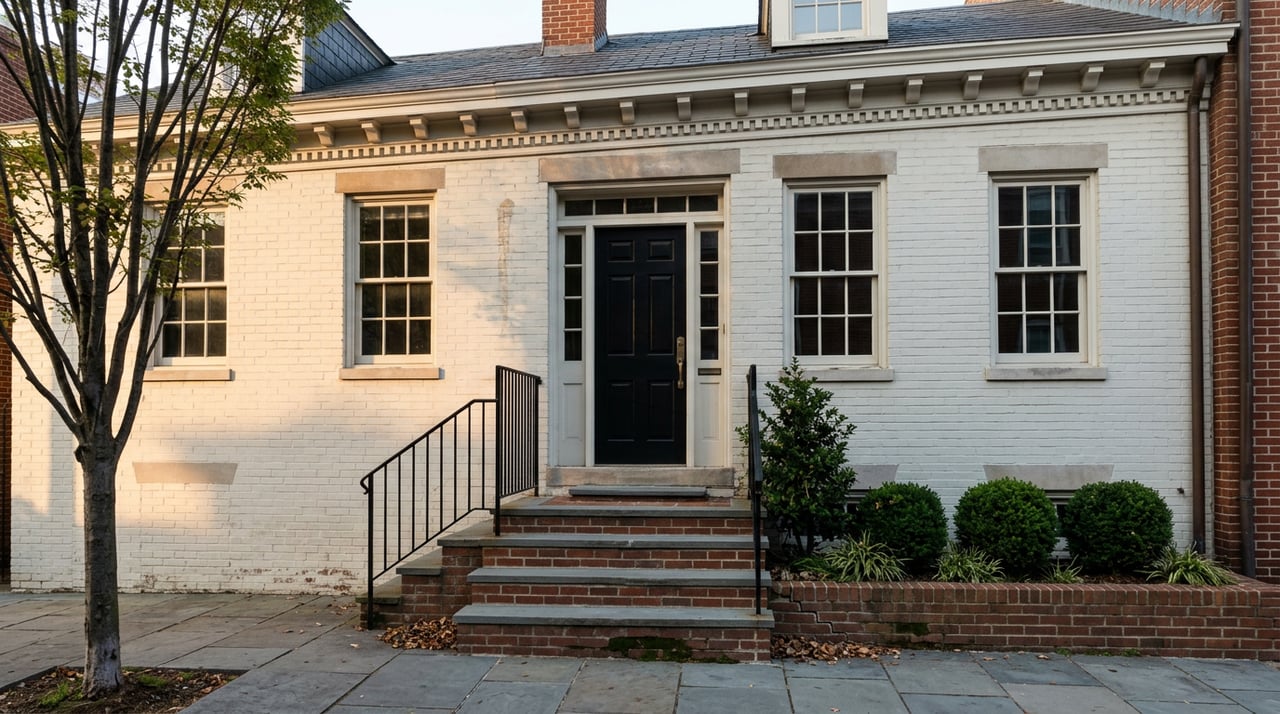
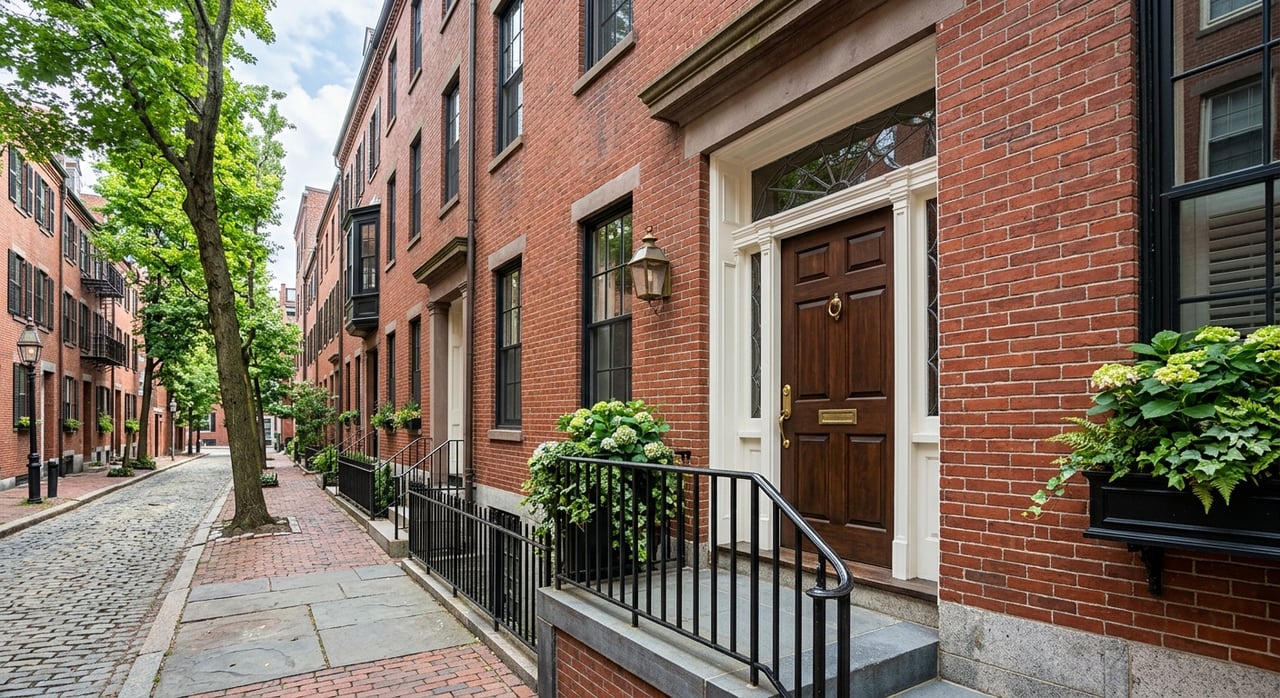
Alexandria has a strong sense of place. In Old Town, you will find cobblestone streets, red-brick sidewalks, and centuries-old architecture that give the city a look you do not see just anywhere in the region. According to the City of Alexandria, the Old & Historic Alexandria District is the third oldest local historic district in the United States.
That history is not tucked away behind museum ropes. It is part of everyday life. Visit Alexandria describes Old Town as a walkable neighborhood filled with restaurants, boutiques, galleries, and historic sites, with King Street serving as the main mile through the district.
The result is a city that feels preserved but active. You can step out for coffee, stroll to dinner, browse local shops, and still have transit options nearby. For many buyers, that balance is a big part of Alexandria’s appeal.
Old Town brings daily walkability
If walkability matters to you, Old Town is often the first thing people mention. The area is known for its mix of dining, retail, galleries, and public spaces, all set within a compact street grid that is easy to explore on foot. Visit Alexandria also notes that the neighborhood has more than 200 independent restaurants and shops.
That kind of density changes your routine in a good way. Instead of planning every outing around a car trip, you may find yourself walking to meet friends, run errands, or enjoy an evening out. The city feels scaled for everyday use, not just occasional sightseeing.
There is also a strong visual identity here. Visit Alexandria’s architecture overview highlights that Old Town has more than 200 structures built before 1820, which helps explain why the neighborhood feels so distinct and cohesive.
The waterfront is part of real life
In many cities, waterfront areas are nice to visit but separate from day-to-day living. In Alexandria, the waterfront feels more connected to how people actually spend their time. Waterfront Park links the historic retail core to the Potomac through an open plaza and promenade, making it easy to move between King Street and the river.
That creates a rhythm locals tend to love. You can spend a morning in Old Town, head toward the water for a walk, and end the day with river views just a few blocks from shops and restaurants. It feels scenic without feeling disconnected.
The waterfront also supports active living. The Mount Vernon Trail is an 18-mile paved multi-use trail with views of the Potomac and Washington, D.C., and the National Park Service says it draws more than one million pedestrians and bicyclists each year.
If you enjoy mixing recreation with city access, that trail is a major perk. It gives you a way to bike, run, or walk while staying connected to a larger regional network.
Scenic transportation adds to the lifestyle
Alexandria’s waterfront is not only about views. It also opens up fun and practical ways to get around. Visit Alexandria’s waterfront activities guide highlights water taxis and river cruises to places like The Wharf, Navy Yard, Georgetown, and National Harbor.
For some people, that is simply a weekend bonus. For others, it becomes part of how they explore the region when friends and family visit. Either way, it adds a layer of flexibility and character that many communities do not offer.
It is worth noting that the waterfront is continuing to evolve. The City’s waterfront update notes ongoing flood-mitigation and improvement work, so this is best understood as an area that is actively being improved rather than a finished, static space.
Food, shopping, and arts stay close by
One reason locals stay engaged with Alexandria is that there is always something close at hand. Old Town’s concentration of independent businesses gives the area a more personal feel than a place dominated by chains. Whether you are heading out for dinner or browsing local storefronts, you have a lot of variety in a relatively small area.
The restaurant scene is especially strong. Alexandria Restaurant Week 2026 featured nearly 80 participating restaurants, which gives you a good sense of how active the dining scene remains across the city.
Arts are part of the local rhythm too. The Torpedo Factory Art Center is home to the nation’s largest collection of working artists’ open studios under one roof and welcomes about 500,000 visitors each year. The City also supports free arts programming through its Mobile Art Lab, which adds to the creative energy across Alexandria.
For buyers who want more than just a place to sleep, that matters. Alexandria offers a lifestyle where dining, art, local events, and small business activity are woven into regular routines.
Market mornings feel like a local tradition
Some places have amenities. Alexandria has traditions that still feel useful today. The Old Town Farmers’ Market is the oldest farmers’ market in the country held continuously at the same site, and it runs every Saturday morning with more than 70 vendors.
That gives your weekend a built-in rhythm. A quick market stop, a walk through Old Town, and lunch on King Street can feel less like a special event and more like a normal Saturday.
There is one current detail to know. The market is operating in a temporary location during City Hall and Market Square renovations, which is a good reminder that even long-standing local favorites can shift slightly while the city updates public spaces.
Alexandria makes commuting easier
If you work in D.C. or need regional access, Alexandria’s transit network is a major advantage. The King St-Old Town station serves the Blue and Yellow lines and connects to DASH routes, Metrobus, Amtrak, and a free daily trolley to Old Town and the Waterfront. Across the street, Alexandria Station also serves Amtrak and VRE.
That level of connectivity can make a real difference in your daily life. It gives you more than one way to move around the region, which is especially helpful if your schedule changes or you prefer to reduce driving.
The King Street Trolley adds another layer of convenience. It runs free every day, every 15 minutes, between King St-Old Town and City Hall/Market Square, making it easy to move up and down King Street without using a car.
Alexandria also offers free DASH bus service around the city from early morning into the late evening. For many residents, that combination of rail, trolley, and bus service supports a more car-light lifestyle, especially for trips into D.C. or around Old Town.
What daily life can look like
If you are trying to imagine yourself here, think in terms of rhythm more than landmarks. A typical day might start with a coffee and a walk through a historic street grid, continue with errands or work supported by strong transit access, and end with dinner on King Street or a walk along the Potomac.
That blend is what makes Alexandria so appealing. You get a city with real personality, but also one that works well for everyday needs. It is not just beautiful in photos. It is functional in the ways that matter when you actually live there.
For buyers relocating from out of the area, that can be especially valuable. Alexandria offers familiar urban conveniences, scenic public spaces, and regional connectivity in a setting that feels both established and active.
Why buyers keep Alexandria on the list
When people move to Alexandria, they are often looking for more than a home. They are looking for a lifestyle that feels connected, walkable, and easy to enjoy. Alexandria delivers that through a rare combination of historic character, waterfront access, local business activity, arts, and practical transportation.
If you are comparing Northern Virginia locations, Alexandria tends to stand out because it offers both atmosphere and function. You can enjoy a neighborhood with deep roots while staying closely connected to the larger D.C. region.
If you are planning a move and want help finding the right fit in Alexandria or elsewhere in Northern Virginia, Leslie Hoban can help you navigate your options with knowledgeable, high-touch guidance.
FAQs
What do people love most about living in Alexandria, VA?
- Many people are drawn to Alexandria for its mix of historic character, walkable streets, waterfront access, local restaurants and shops, arts offerings, and strong transit connections.
Is Old Town Alexandria walkable for daily errands and outings?
- Yes. Old Town is known for its walkable layout, with restaurants, boutiques, galleries, historic sites, and public spaces clustered around King Street.
Does Alexandria, VA offer good commuting options to Washington, D.C.?
- Yes. Alexandria has Metro access via the Blue and Yellow lines, plus connections to DASH, Metrobus, Amtrak, VRE, and the free King Street Trolley.
What is the Alexandria waterfront like for everyday living?
- The waterfront is closely connected to Old Town through parks, promenades, trail access, and scenic transportation options like water taxis, making it part of daily life rather than just a tourist area.
Is the Old Town Farmers’ Market still operating in Alexandria?
- Yes. The market still runs every Saturday morning with more than 70 vendors, though it is currently in a temporary location during City Hall and Market Square renovations.