Ask what a home costs in Vienna right now and you'll get a confident answer. Vienna's average sold price for 2025 landed near $1.31 million, up 5.5 percent from the year before. That number sounds like it describes a place. It doesn't. It describes two places, sold under the same ZIP codes, tracked in the same MLS feed, and averaged into a single figure that neither buyer nor seller can actually use to make a decision.
Here's what that average is hiding. In December 2025 alone, homes in 22180 sold about three days faster than a year earlier, and homes in 22182 sold six days faster. Homes in 22181, a few streets over, took 45 days to sell compared to 19 the year before, more than double. Same town, same month, opposite directions. That isn't noise. It's the fingerprint of a market that has split into two products that behave nothing alike, and knowing which one you're standing in front of is the actual decision that determines whether you overpay, underprice, or waste money on the wrong repairs.
The Split Nobody Puts on the Comp Sheet
The first Vienna is land value. Builders are actively buying older homes, mostly 1960s ramblers and split-levels priced under $1 million, for the lot underneath them. The house itself is irrelevant to what they're willing to pay. They tear it down and build something new that sells for $2 million to $3 million or more. This isn't a rumor about a few streets. It's been the dominant force reshaping Vienna's housing stock for close to a decade, concentrated in exactly the price band that first-time move-up buyers are searching.
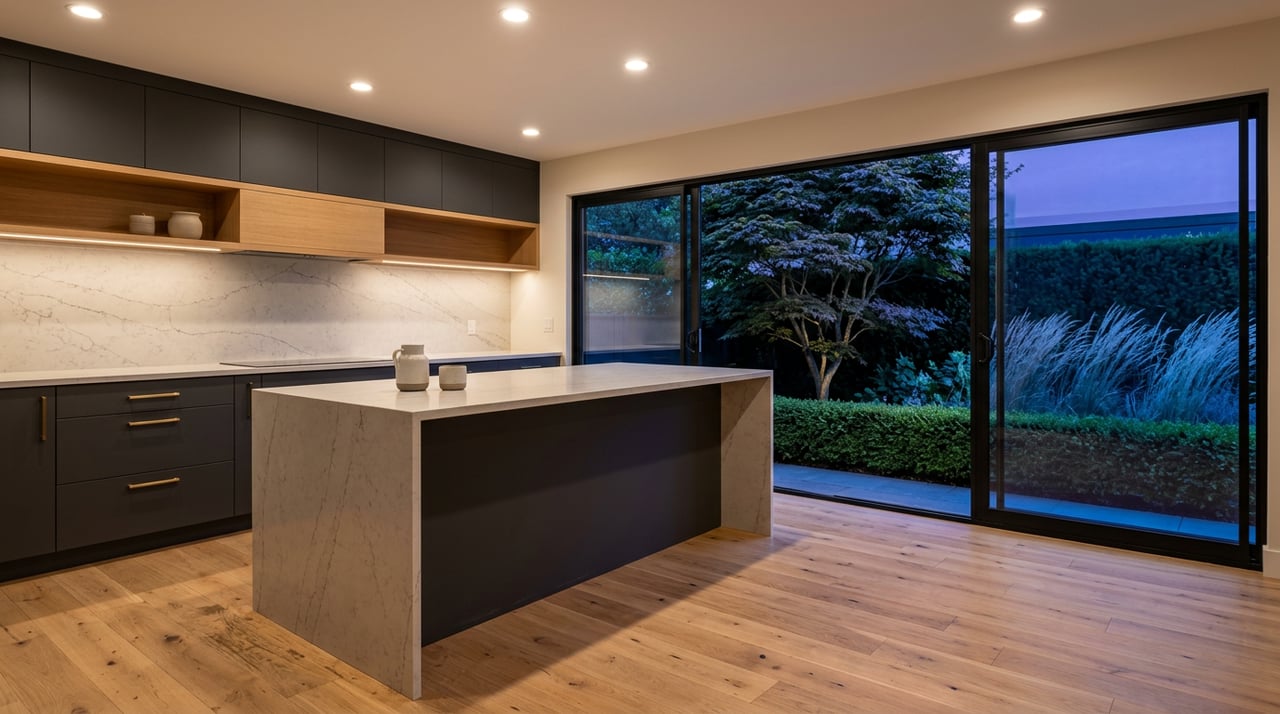
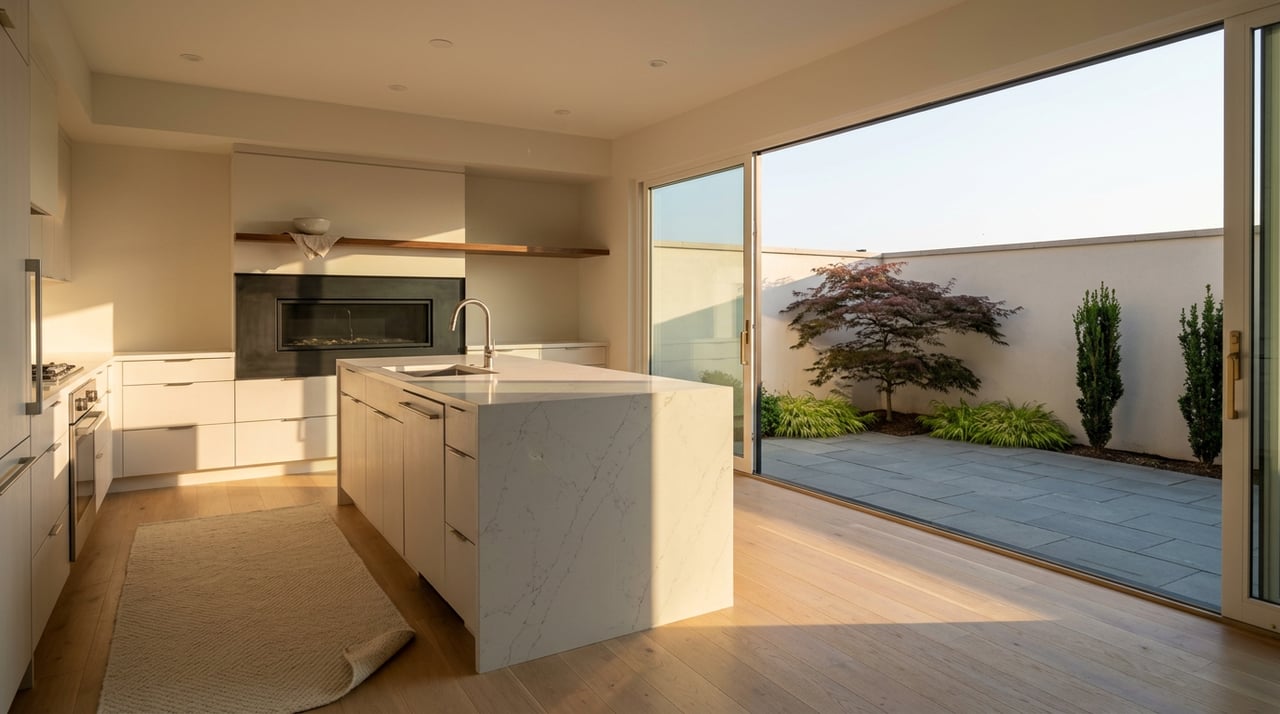
The second Vienna is the resale market: homes that have already been renovated, updated, or maintained well enough to compete on their own merits against those new builds. These sell to people who want a finished, livable house, not a lot with a structure on it.
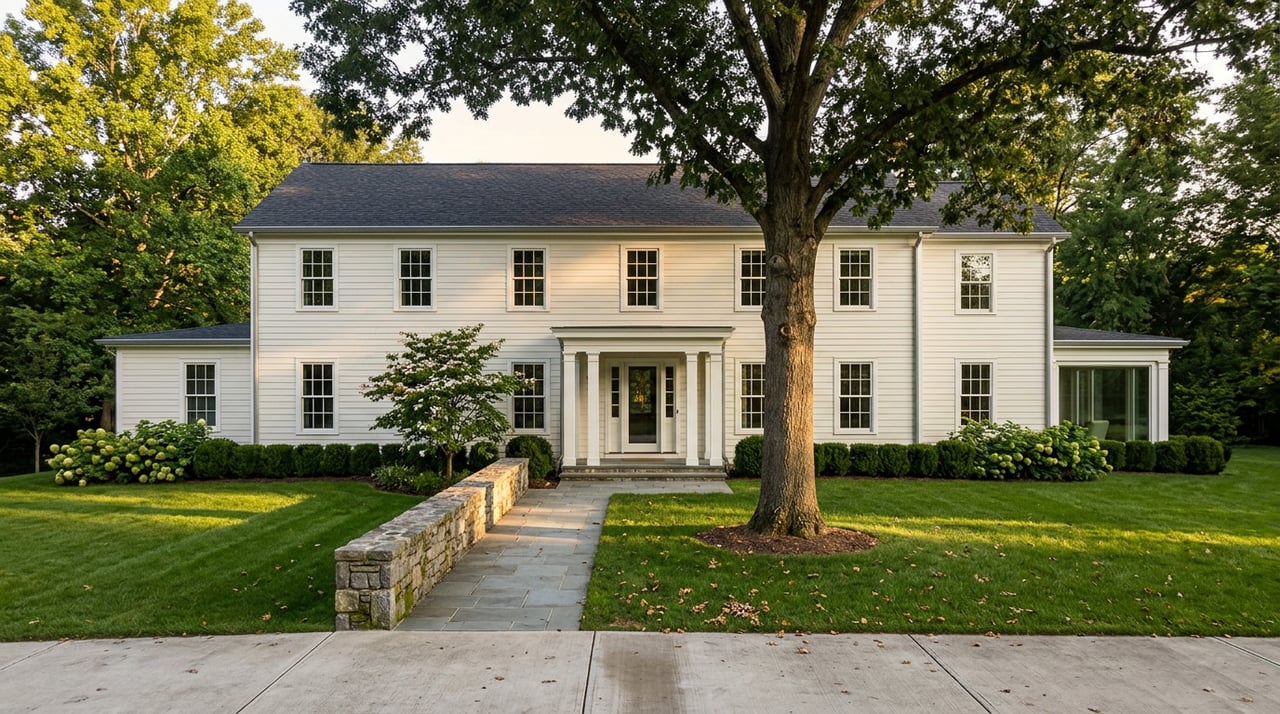
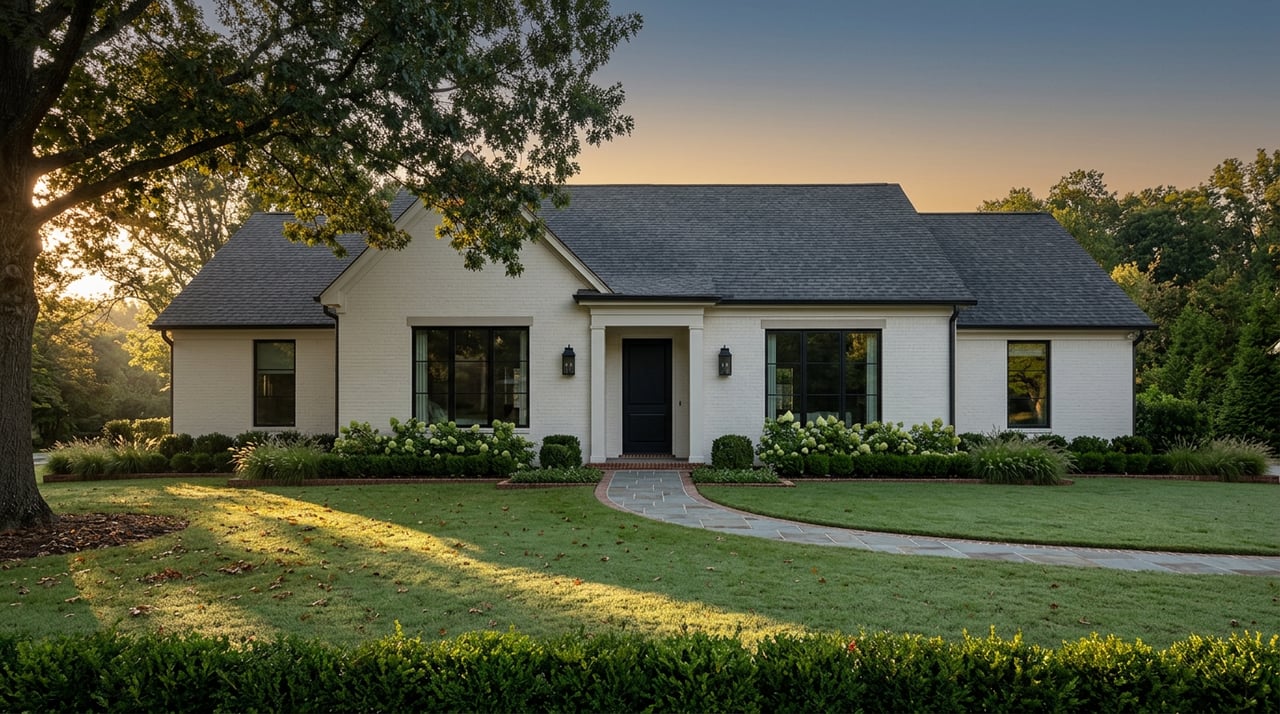
The problem is that both products get filed under the same ZIP code median, the same "days on market" average, the same "Vienna is up 5.5 percent" headline. A dated rambler on a third-acre lot and a fully renovated colonial two streets over are not competing for the same buyer, even though the county's transaction data reports both under one number.
What the Days-on-Market Split Actually Tells You
Go back to that December divergence. In 22180 and 22182, where more of the available inventory skews toward genuine teardown candidates, homes moved faster, not because buyers loved the houses more, but because builders don't negotiate the way owner-occupants do. A builder evaluating land value doesn't care about the popcorn ceiling or the single-pane windows. They calculate what the lot is worth, make a cash offer, and close fast.
In 22181, where more of what's listed is already-renovated resale product, days on market nearly doubled. That's not a cooling market. It's a market where buyers are shopping the way people shop for a finished good: comparing kitchens, comparing layouts, taking their time, because there's no builder in the wings offering to skip due diligence.
If you're pricing a listing or writing an offer based on "the Vienna average," you're using a number built from two buyer pools with opposite incentives. That gap is exactly why national portals and even some local trackers publish figures that don't reconcile. One shows Vienna's median sale price near $1.5 million with prices down slightly year over year. Another shows a single ZIP code's median sitting near $980,000. Both can be true at the same time, because they're measuring different slices of the same split market.
Why Renovation Money Behaves Differently Depending on Which Vienna You're In
This split has a direct dollar cost, and it shows up most clearly in renovation decisions.
If your home is a genuine teardown candidate, every dollar spent on cosmetic updates is close to wasted. A builder paying for land value isn't discounting or crediting your new bathroom. You're selling dirt, and the house is a temporary obstacle on top of it.
If your home is resale-viable, the calculation flips, but not the way most sellers expect. Some projects still pay back reliably. Fresh, neutral paint throughout a home is running close to 107 percent return on investment in Vienna as of 2026, the cheapest way to make a dated house feel current. But at the $1.5 million-plus tier, where new construction sets the finish standard, the math on bigger projects gets unforgiving. A $150,000 kitchen renovation at that price point can net back roughly $60,000 in added sale price, because the comparable inventory a buyer is cross-shopping against is brand new, not merely updated.
The projects that hold up across most of Vienna's resale tier:
- Fresh, neutral interior paint, which consistently outperforms almost any other single project on a cost-to-value basis
- Light fixture and lighting updates in main living spaces, which read as "current" without a full remodel
- Addressing visible deferred maintenance before listing, since Vienna's older housing stock regularly hides aging electrical systems and original plumbing that surface during inspection and cost more to fix under contract pressure than before it
- Targeted primary bath refreshes rather than full gut renovations, unless recent comps in your specific micro-area prove buyers are paying for it
The discipline that actually protects a seller's proceeds is refusing to renovate against a national showroom standard and instead calibrating strictly against the comps in your own micro-market, because Vienna doesn't have one renovation ROI curve. It has at least two.
The Library and the Boutiques Are Telling You Which Vienna You're In
You can see this split play out in what's happening around town right now, not just in sales data.
The Patrick Henry Library, a fixture on Maple Avenue for 54 years, was demolished in late December 2025 to make way for the new Vienna-Carter Library, a 19,000-square-foot, net-zero facility with geothermal heating and cooling and a public parking garage, expected to open in early 2028. That kind of civic investment, funded partly through a 2020 bond and partly by the Town of Vienna itself, is exactly the kind of anchor that supports long-term demand in the walkable core, the same core where resale homes, not teardown lots, dominate the inventory.
Meanwhile, the commercial corridor around that core keeps turning over. Fresh Market closed its Danor Plaza store in May 2026 after nearly 15 years, while a few blocks away, Vienna Market's long-vacant retail space finally sold last month to a buyer converting it into a medical spa and a clothing boutique. Vienna home builder Sekas Homes has also proposed adding residential condos above refreshed street-level retail at 515 Maple Avenue East, part of the same pattern of the town core reinvesting in itself rather than sitting still. That matters for buyers weighing whether a resale home near Maple Avenue justifies its premium over a comparable house deeper into the teardown-heavy side streets.
None of that civic and commercial activity touches the land-value calculation a builder runs on a 1960s rambler three streets off Maple. It touches the resale calculation entirely. Knowing which one applies to the house you're looking at is the whole ballgame.
What This Means If You're Buying or Selling This Fall
If you're a buyer searching under $1 million in Vienna, assume you are competing with cash builder offers on most of what you see, not with other families. Ask your agent for a land-value opinion on any listing before you fall in love with a floor plan you may never actually get to keep.
If you're selling an older, unrenovated home, get that land-value opinion first too, before you spend a dollar on cosmetic prep. It may turn out your best buyer isn't looking at your kitchen at all.
If you're selling a home that's already renovated and resale-viable, don't chase new-construction finishes you can't win against. Lean into what a $2.5 million spec home two doors down cannot replicate: mature trees, an established streetscape, a settled neighborhood feel, and proximity to the corridor that's currently reinvesting in itself.
Frequently Asked Questions
How do I know if my Vienna home is a teardown candidate or a true resale home? It usually comes down to two questions: what would a builder pay for the lot alone, and does your home's age, condition, and layout let it compete against renovated resale comps in your immediate area. A local agent who tracks both land sales and finished-home sales in your specific streets can run both numbers side by side.
Does my ZIP code decide which market I'm in? Not entirely. 22180, 22181, and 22182 each contain both teardown activity and resale inventory. ZIP code shapes the mix, not the outcome for any single house. The street and the house's condition matter more than the ZIP code alone.
Is Vienna's market actually slowing down in 2026? Supply has loosened compared to the tightest years of 2021 and 2022, and days on market have stretched in parts of town. But that's not the same as demand disappearing. It's a market where results depend more on which segment your home sits in than on a single town-wide trend.
If you're trying to figure out which Vienna your house or your next purchase actually belongs to, that's a conversation worth having before you list, renovate, or write an offer. Leslie Hoban and the Hoban Real Estate Group work these streets block by block, and a white-glove consultation is the fastest way to get a straight answer on where your home or your search really stands.